Choosing the right cosmetics manufacturer in China is not simply about finding the lowest quotation. For beauty brands, importers, distributors and entrepreneurs, the right partner should support formulation, sampling, packaging, quality control, production and export documentation.
This guide explains 12 questions buyers should ask before choosing a cosmetics OEM/ODM manufacturer.
Quick Answer
A good cosmetics manufacturer should be evaluated across manufacturing capability, R&D, quality management, customization, communication and documentation support.
Before comparing prices, confirm whether the supplier can manufacture your product category, meet the expected MOQ, support the desired packaging and formula, provide the right quality documents, and make products suitable for your destination market.
Key Takeaways
- Verify whether the supplier is a manufacturer, trading company or sourcing intermediary
- Check whether the factory specializes in your product category
- Ask about formula MOQ and packaging MOQ separately
- Evaluate R&D and sample-development capability
- Tell the manufacturer your destination market before development
- Test samples before approving bulk production
1. Are You Working With a Manufacturer or a Trading Company?
This should be one of your first questions. There is nothing inherently wrong with working with a trading company, but buyers should understand who is actually responsible for manufacturing the product.
- Where is the product manufactured?
- Can I see the production facility?
- Can you provide factory information?
- Who develops the formula?
- Who manages quality control?
- Can a factory visit or audit be arranged?
2. Does the Manufacturer Specialize in Your Product Category?
A factory that performs well in facial skincare does not automatically have the same capability in sunscreen or color cosmetics. Different categories can require different equipment, formulation experience, packaging suppliers and testing.
LAPONY OEM/ODM Categories
- Skincare
- Sunscreen
- Hair Care
- Body Care
- Color Cosmetics
Before discussing price, confirm whether the manufacturer has practical experience with the product you want to develop.
3. Does the Factory Have a Real R&D Team?
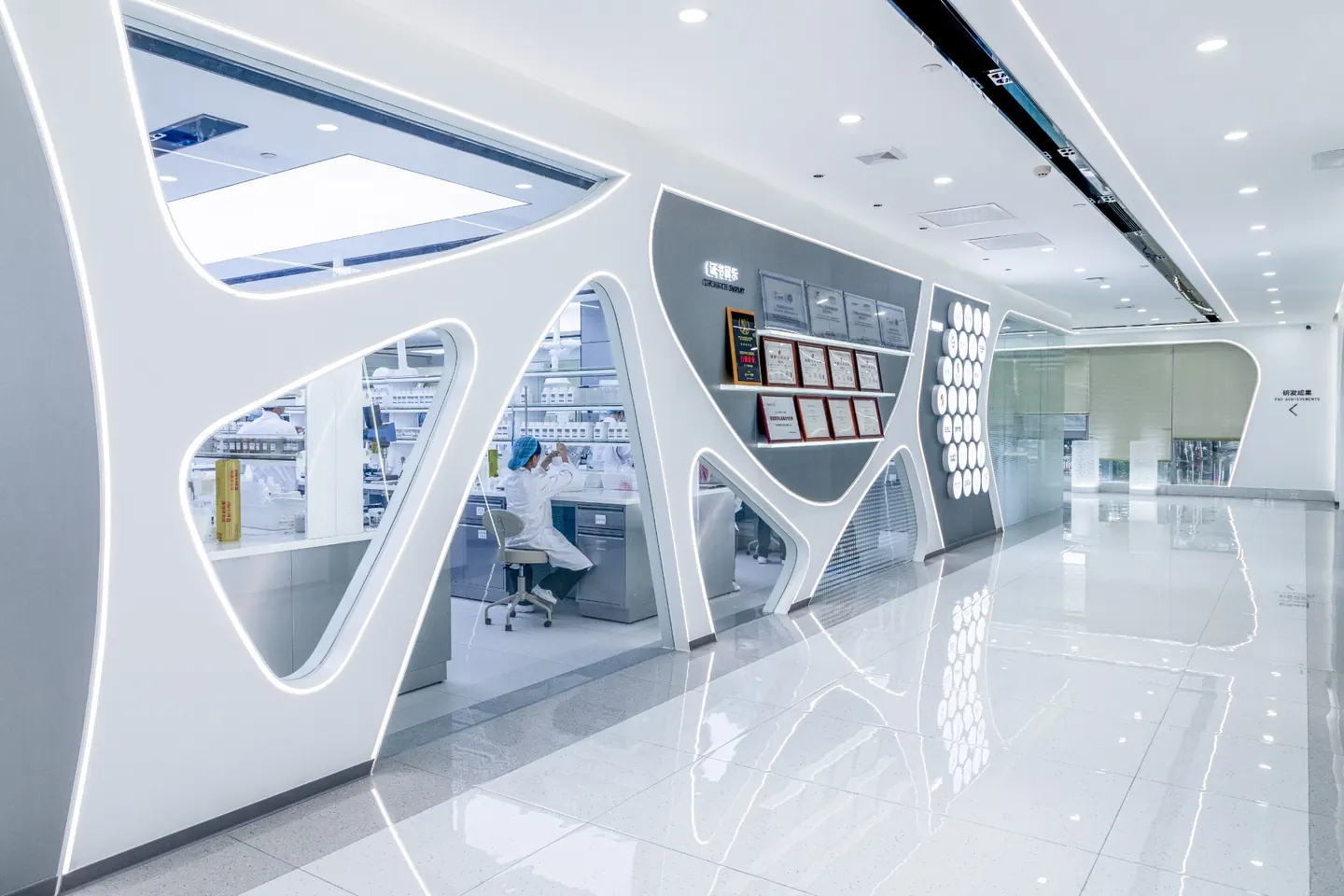
This becomes especially important for ODM and customized OEM projects. A product-development team should turn a concept into specific questions about target consumers, skin types, destination market, preferred actives, claims, texture, price positioning and benchmark products.
R&D is not simply adding more active ingredients. Changing one part of a formula can affect viscosity, pH, stability, preservation, appearance and skin feel.
4. Can the Manufacturer Customize the Formula?
Custom formula can mean different things. The right level depends on the brand's stage, budget and positioning.
Lower Complexity
- Existing mature formula
- Fragrance, color or texture adjustment
Higher Complexity
- Active ingredients and performance adjusted
- New formula developed around a brand concept
For a startup testing the market, an existing formula with customized branding may make more commercial sense. For an established brand looking for differentiation, deeper formula customization may be appropriate.
Learn More About Our OEM/ODM Services
5. What Is the Real MOQ?
Do not only ask “What is your MOQ?” Ask what the formula MOQ, packaging MOQ and printing MOQ are for this project.
Cosmetic MOQ can come from several parts of the supply chain: formula, primary packaging, decoration, outer box, filling and finished product. A factory may manufacture a formula at a relatively small quantity while a customized bottle supplier requires a much larger run.
Always discuss packaging before assuming that a quoted formula MOQ is the final MOQ of the finished product.
6. What Certifications and Quality Systems Does the Factory Have?
Ask which certifications and quality-management systems apply to the manufacturing facility. ISO 22716 provides Good Manufacturing Practices guidelines covering production, control, storage and shipment of cosmetic products.
One certificate does not mean a finished product automatically complies with every country's regulations. A useful question is: what quality system do you operate under, and which documents can you provide for my specific product and market?
7. How Does the Manufacturer Control Product Quality?
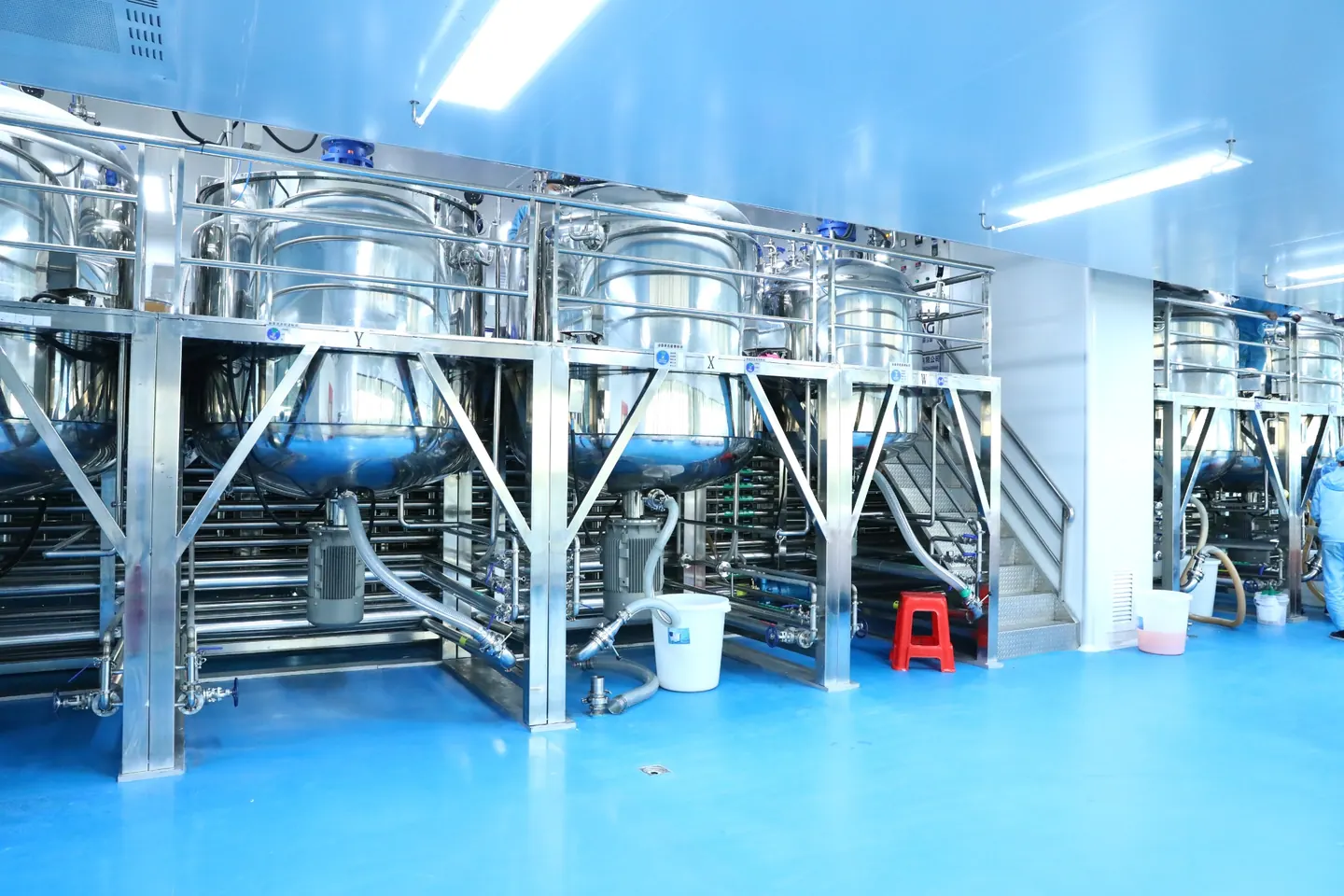
Quality control should not begin only when finished products are packed into cartons. Depending on the project, quality management may involve raw materials, bulk formula, filling, packaging, finished product and final inspection.
You may also need to discuss stability, compatibility, microbiological or other appropriate testing.
8. How Does the Sampling Process Work?
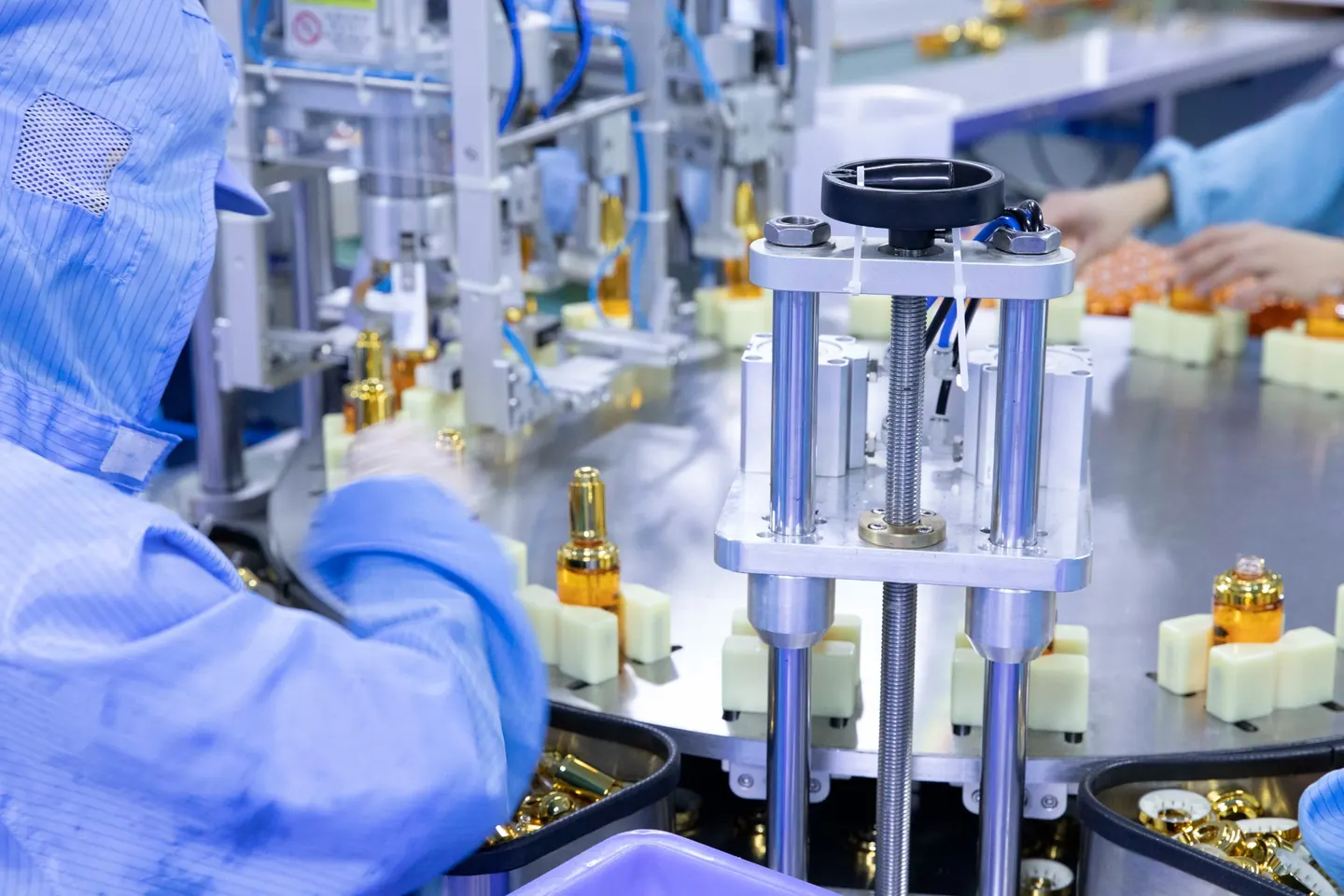
Samples are one of the most important stages of cosmetic product development. A sample allows you to evaluate texture, absorption, fragrance, color, appearance, skin feel and product positioning.
Do not assume the first customized sample must be perfect. Notes such as “the lotion is too thick” or “the sunscreen feels too sticky” help the manufacturer decide which adjustments are technically appropriate.
9. Does the Manufacturer Understand Your Target Market?
A product designed for Northern Europe may not need the same sensory characteristics as one intended for Cambodia, Malaysia or Indonesia. Consumers in hot and humid markets may prefer products that feel lightweight, fast absorbing, less greasy and comfortable when layered.
Tell your manufacturer the country, target consumer, price positioning and sales channel. That is much more useful than simply saying “I need a good moisturizer.”
10. What Documentation Can the Manufacturer Provide?
Documentation requirements vary by country and product category. Discuss your destination market at the beginning of the project, not after production is finished.
- INCI / ingredient information
- COA
- Product specifications
- Manufacturing certificates
- MSDS/SDS where applicable
- Export documents
- Testing reports where applicable
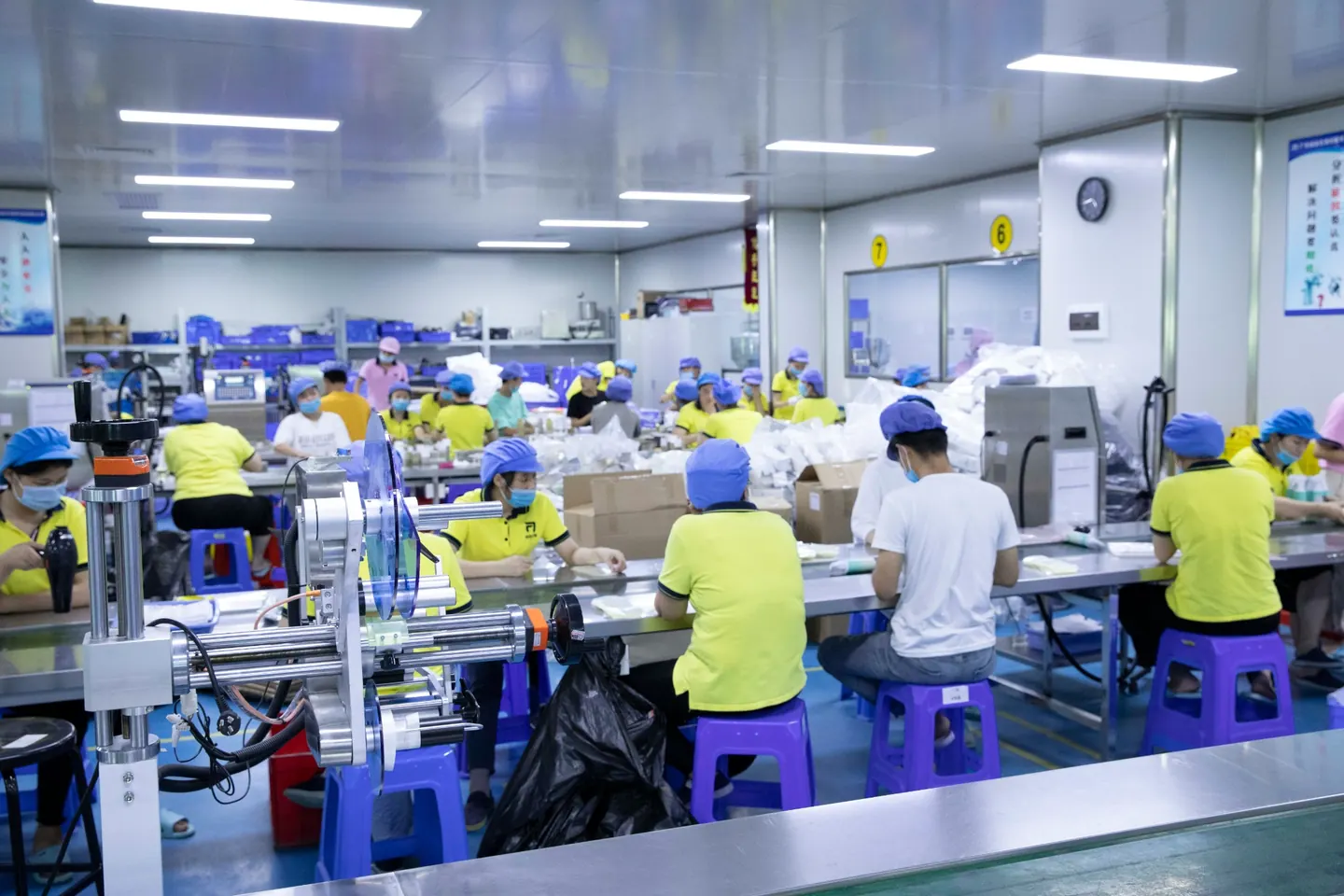
11. What Is the Real Production Timeline?
Ask the manufacturer to separate formula development, sampling, sample revision, packaging development, packaging production, bulk manufacturing, filling, quality inspection and shipping.
A supplier saying “production takes 20 days” does not necessarily mean the entire project will be ready in 20 days. Ask for the project timeline, not just factory production time.
12. How Well Does the Supplier Communicate?
During one project, information may need to move between buyer, sales, R&D, packaging, design, purchasing, production, QC and logistics. Miscommunication at any stage can cost time and money.
A good manufacturing partner should be willing to tell you when a packaging idea is unrealistic, an MOQ is too low for a custom component, or a formula change may affect stability. A supplier who says “yes” to everything is not necessarily the best supplier.
Buyer Scenario: 1,000-Piece Skincare Startup
A new brand may want 1,000 pieces of a 50ml brightening serum with a customized formula and a completely custom airless bottle. The formula may be possible at that quantity, while the selected custom packaging requires a much higher MOQ.
Possible Solutions
- Increase the finished-product quantity
- Buy extra packaging for later production
- Use an existing bottle and customize decoration
Why This Matters
- Lower initial inventory risk
- Keep a customized brand look
- Avoid choosing by unit price alone
Selecting a manufacturer is not simply about comparing price lists. A good supplier should help solve manufacturing constraints.
12 Questions to Ask Before Choosing a Manufacturer
- Are you the actual manufacturer?
- Which cosmetic categories do you manufacture?
- Can I visit or audit the factory?
- What quality-management systems and certifications do you have?
- Do you have an in-house R&D team?
- Can you customize my formula?
- What are the formula and packaging MOQs?
- How does your sampling process work?
- What testing can be arranged?
- What documentation can you provide for my destination market?
- What is the realistic project timeline?
- How do you manage quality control and batch consistency?
Frequently Asked Questions
How do I verify a cosmetics manufacturer in China?
Review the manufacturer's factory information, manufacturing capabilities, certifications, product categories, sample-development process and quality-control system. A factory visit or third-party audit may provide additional verification when appropriate.
Should I choose the cheapest cosmetics manufacturer?
Price is important, but buyers should compare total project value, including formula quality, packaging, MOQ, communication, testing, documentation, quality control and production reliability.
Should I test samples before placing a bulk order?
Yes. Samples allow the buyer to evaluate texture, fragrance, color, appearance and sensory performance before approving bulk production.
Can one cosmetics manufacturer make skincare, hair care and makeup?
Some manufacturers have multi-category capabilities, while others specialize in narrower product categories. Confirm the actual production and R&D capability for each product you plan to manufacture.
What should I send a manufacturer when requesting a quotation?
Provide the product category, size, expected quantity, target market, formula requirements, packaging reference and customization requirements.
Why Work With Lapony Cosmetics?
Lapony provides OEM, ODM and private label manufacturing support for international beauty brands across skincare, sunscreen, hair care, body care and color cosmetics.
- Product concept and formula development
- Sample development and revision
- Packaging and design coordination
- Production and quality control
- Export support
Ready to Choose the Right Manufacturing Partner?
Send Lapony your product, size, quantity, target market, formula requirements and packaging reference. Our team can evaluate the project and recommend a practical manufacturing approach.
Get A Free Quote