How does a cosmetic idea become a manufacturable product? Formulation development moves from a clear product brief and laboratory samples to evaluation, packaging compatibility and manufacturing planning.
A successful OEM/ODM project balances product performance, brand positioning, packaging, target-market requirements and commercial feasibility.
At a Glance
Key Takeaways
- A clear product brief helps a manufacturer develop a more relevant first sample
- Formula, sensory profile, packaging and target-market requirements should be discussed together
- Sampling is an iterative process: feedback and revision help move a concept toward a production-ready product
- The best development route is not necessarily the most complicated formula
A Good Cosmetic Product Starts With a Clear Brief
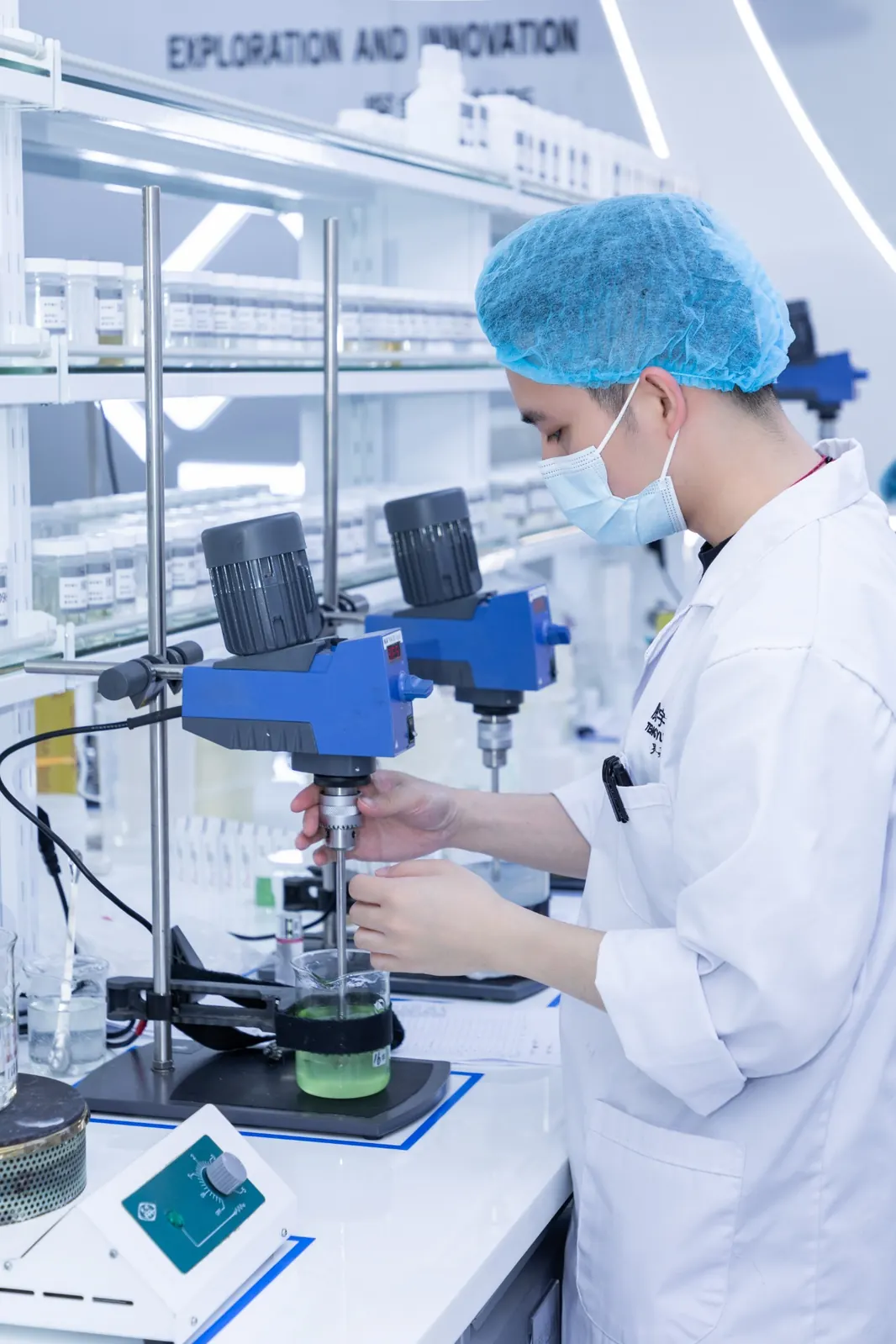
A product idea is only the starting point. To develop a formula that fits your brand, target customer and market, a manufacturer needs to understand what the product should do, how it should feel and how it will be sold.
For example, “a hydrating serum” is not yet a complete development brief. A more useful brief might describe a lightweight, fast-absorbing serum for daily use, the preferred skin feel, key ingredient direction, target size, fragrance preference and intended retail positioning.
What Should You Include in Your Product Brief?
- Product category and intended use: cleanser, serum, cream, sunscreen, shampoo or another format
- Target customer and market: age group, climate, consumer preferences and intended sales channel
- Desired product experience: texture, spreadability, absorption, finish, fragrance and appearance
- Ingredient direction: preferred ingredients, ingredients to avoid and any claim-related considerations
- Pack format and size: tube, bottle, jar, pump, dropper or another option
- Commercial expectations: target order quantity, target cost range and launch timeline
The Main Stages of Cosmetic Formulation Development
1. Review the Concept and Technical Requirements
The manufacturer reviews the brief to identify the product format, formula direction, packaging needs and questions that must be clarified before sampling. This is also the right time to discuss the target market, because ingredient restrictions, product claims and documentation expectations can differ between markets.
2. Develop or Select a Formula Direction
Depending on the project, the development team may work from an established formula platform or create a more customized formulation. The right route depends on the product’s performance goals, ingredient preferences, texture, cost target and degree of differentiation required.
Related reading: Private Label vs OEM vs ODM Cosmetics
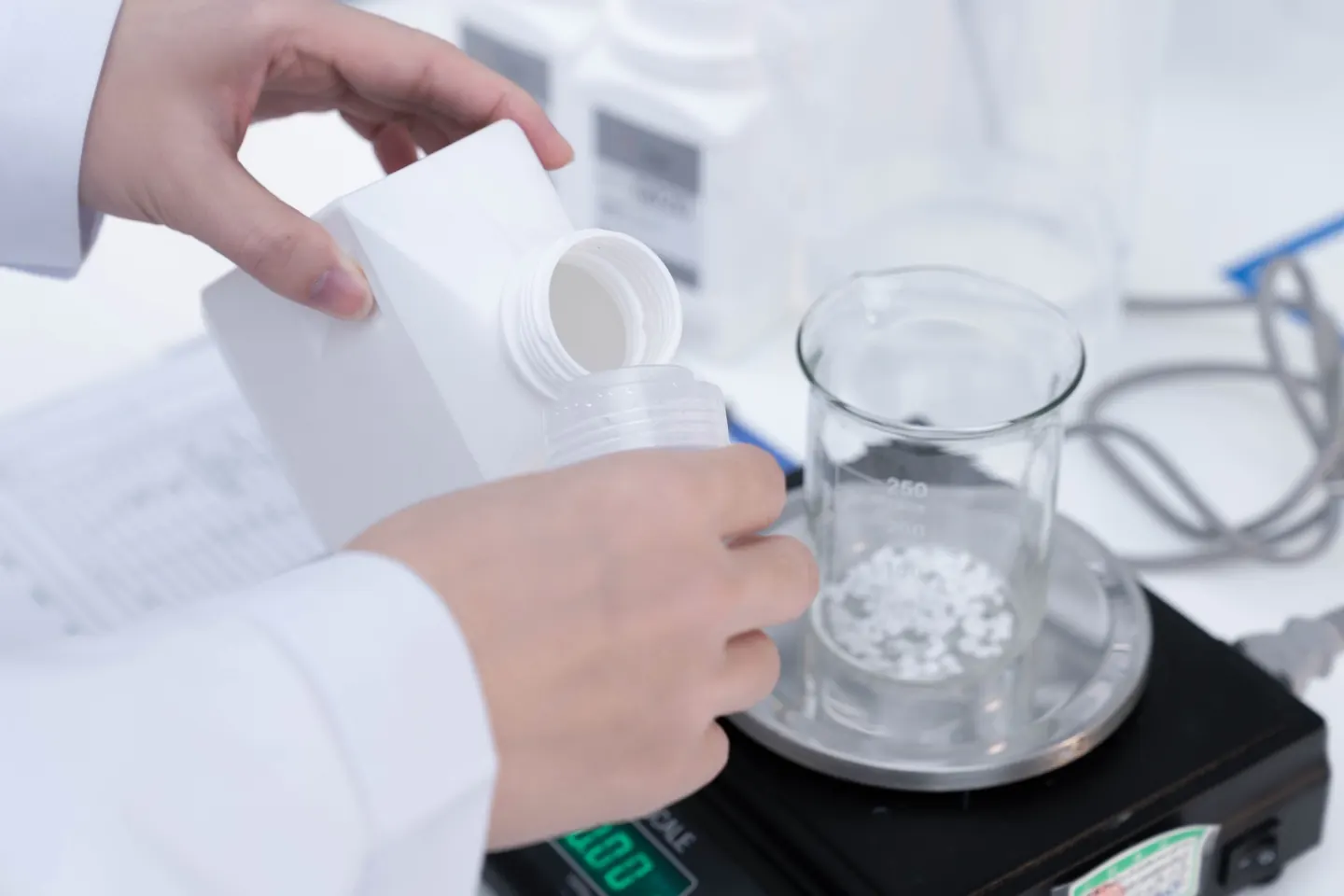
3. Prepare Laboratory Samples
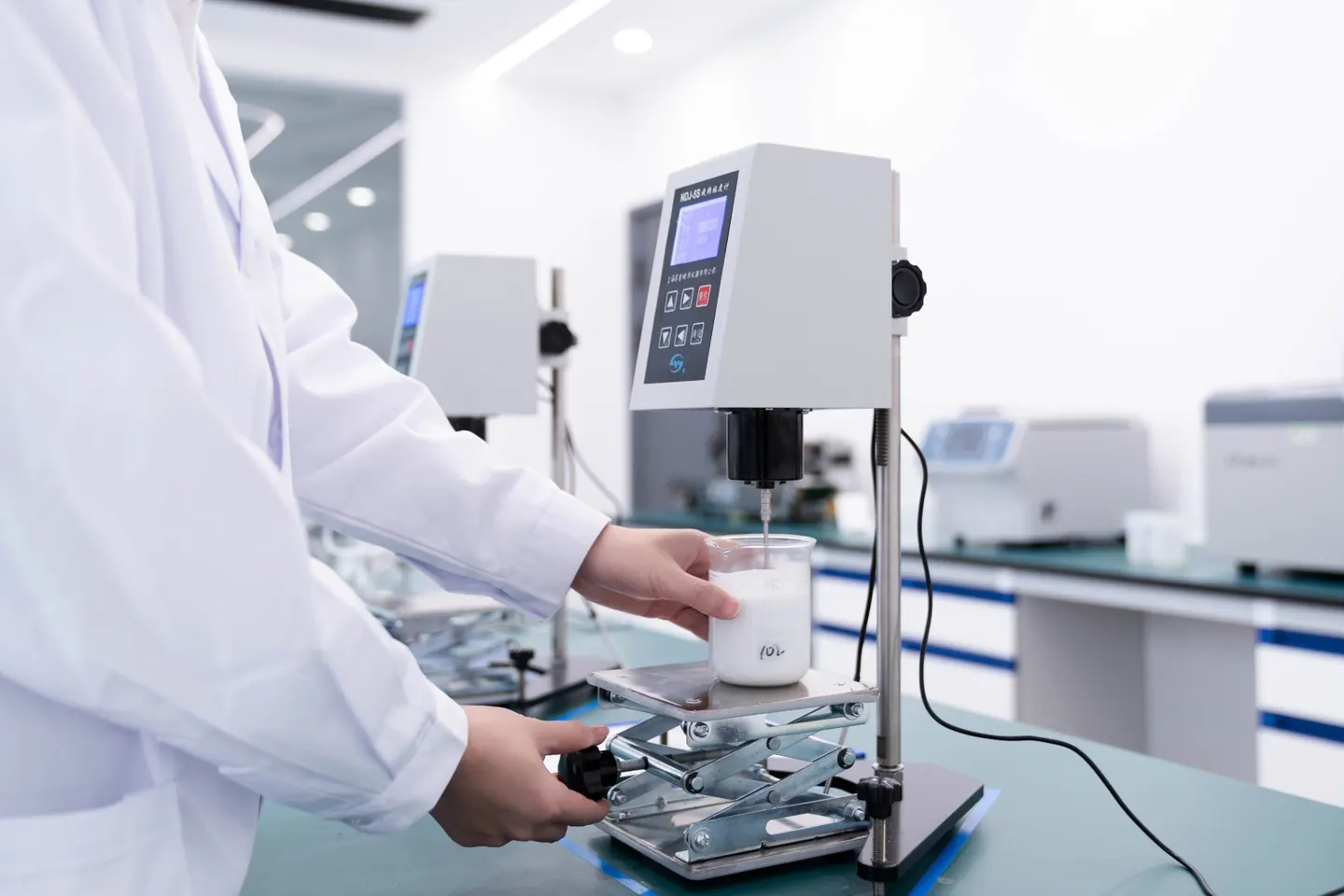
Laboratory samples allow the brand team to assess the product in practice. A sample review should go beyond asking whether the product is “good.” Record specific observations about texture, scent, absorption, foam, after-feel, appearance and application experience.
4. Evaluate and Refine the Sample
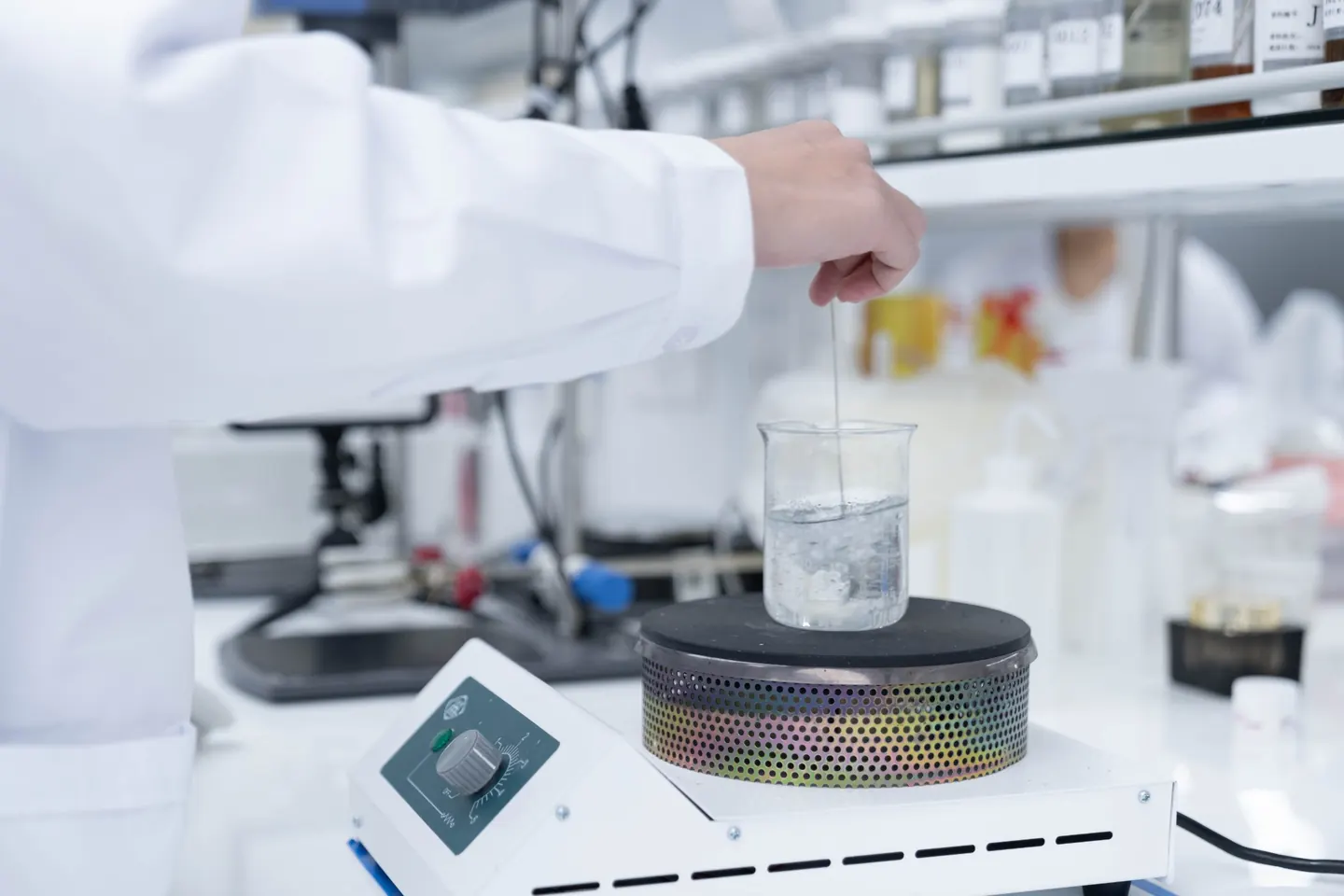
Feedback should be clear and prioritized. If a cream feels too heavy, explain whether the issue is slow absorption, a greasy finish or excessive richness. If a cleanser feels too tight after rinsing, describe the skin feel and the preferred result. Specific feedback gives the development team a more useful direction for revision.
- What works well and should remain unchanged?
- What is the main issue to improve?
- What result would you prefer instead?
- Is the change essential, or simply a preference?
5. Check Packaging Compatibility
A formula and its packaging need to work together. The chosen container should suit the product’s viscosity, dispensing method and intended use. Compatibility and stability evaluations should be planned according to the product, packaging materials and applicable quality procedures before commercial release.
Related reading: What Is the Real MOQ for Custom Cosmetics?
6. Confirm Specifications and Plan Manufacturing
Before bulk production, the brand and manufacturer should align on the approved formula version, product specifications, packaging artwork, component details, quantity, quality requirements and documentation responsibilities. Any market-specific testing or registration support should be discussed early rather than left until the launch date.
Why Sample Feedback Matters
Sampling is a collaboration between the brand and the manufacturer. A first sample is a development checkpoint, not a guarantee that every detail is final. Clear feedback helps reduce avoidable revision cycles and keeps the project focused on the most important product requirements.
How to Make Your First Development Round More Efficient
- Choose one priority for the first sample round, such as texture or fragrance, instead of changing every feature at once
- Share reference products or sensory descriptions, while making clear that the goal is to understand the desired experience — not to copy another brand’s formula
- Confirm the target size and packaging direction early enough to assess compatibility
- Collect feedback from a small, relevant review group and consolidate it into one document
- Agree on the next decision point before each revision so the project keeps moving
From Product Idea to a Manufacturable Solution
The best development route is not necessarily the most complicated formula. It is the route that delivers the product experience your customers need and can be manufactured consistently at a realistic cost.
Learn more about OEM/ODM services · Explore products
Frequently Asked Questions
How long does cosmetic formulation development take?
Timing depends on the product type, complexity, ingredient sourcing, sample revisions, packaging selection and required evaluations. Ask the manufacturer for a project-specific schedule after the brief is reviewed.
Can I customize an existing cosmetic formula?
In many projects, a manufacturer can discuss adjustments to an established formula platform. The available changes depend on technical feasibility, ingredient compatibility, cost and the required product performance.
Do I need to choose packaging before formula development?
You do not always need a final decorated package at the first discussion, but the intended pack type and size should be considered early. Packaging can affect dispensing, compatibility, stability planning and cost.
How many sample revisions will I need?
There is no universal number. The number of rounds depends on how clear the original brief is and how much refinement is needed. Consolidated, specific feedback can make the process more efficient.
What should I send an OEM/ODM manufacturer first?
Start with the product category, target market, preferred size, desired texture and performance, ingredient preferences, packaging reference, expected quantity and target cost if available.
Let’s Develop Your Next Product With Lapony
Share your product concept, target market, preferred size, expected order quantity and packaging reference. Our team can review the project scope and discuss a practical OEM/ODM development route.
Get A Free Quote